
Sparring
The Art of the Dance: What Martial Arts Sparring Really Teaches You
When most people think of martial arts sparring, they imagine intense, fast-paced exchanges—punches flying, kicks snapping, bodies moving like clockwork. And sure, there’s adrenaline, timing, and technique. But underneath the surface of bruises and breath control lies something much deeper: a lesson in awareness, humility, and human connection.
Whether you're in your first light-contact drill or you're gearing up for full-intensity rounds, sparring is where the theory of martial arts meets its most honest application. It’s not just about testing your skills; it’s about testing your mindset.
Sparring Isn’t Fighting—It’s Communication
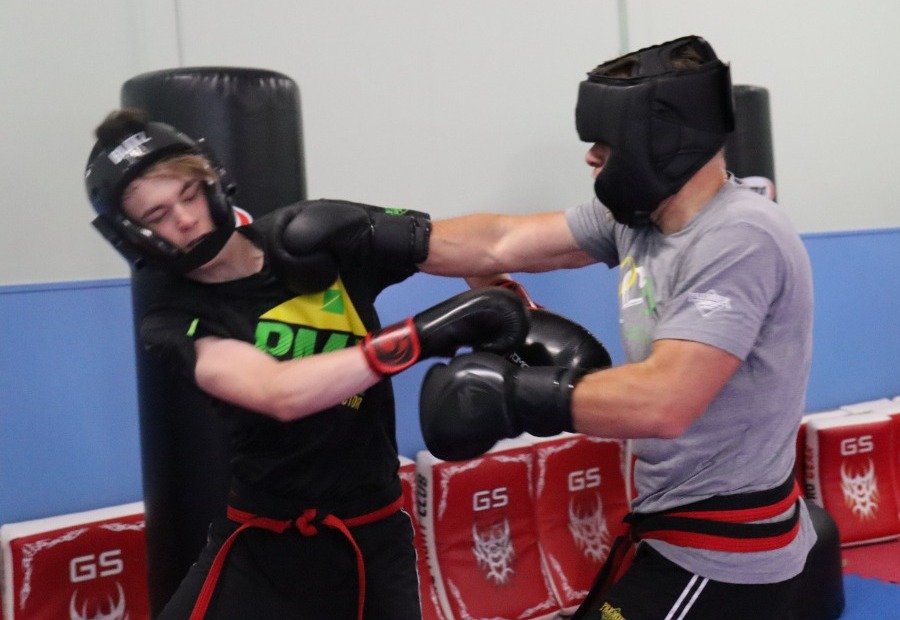
One of the first misconceptions beginners have is thinking sparring is just a sanctioned fight. It’s not. Sparring is a conversation, not a brawl. You’re learning to read your partner’s body language, predict movement, and respond appropriately. You’re both giving and receiving information in real-time, adjusting with each exchange.
And like all good conversations, it works best with mutual respect. That means control, timing, and a shared understanding that you're both there to grow—not to prove dominance.
Ego Check: Sparring as a Humbling Experience
Everyone gets tagged. Everyone gasses out. Everyone eats a kick they didn’t see coming. Sparring reminds you that no matter how many hours you’ve drilled that combo, your body might forget it under pressure. That humbling element is what keeps martial artists grounded.
The mat doesn’t care how strong you are. It cares how present you are.
Sharpening the Skill Set
Of course, sparring has its practical purposes. It improves:
- Timing: You learn when to throw and when to hold back.
- Distance Management: Crucial in every striking art—too close or too far, and you’re not effective.
- Adaptability: No two opponents are the same. You can’t rely on static moves. You have to flow.
- Calm Under Pressure: Sparring helps you breathe through chaos, manage adrenaline, and think on your feet.
Choosing the Right Sparring Partner
Not all sparring partners are created equal. Some will push you, others will guide you. Ideally, you want someone who can match your intensity and help you improve—not overwhelm or outshine you. The best partners are the ones who challenge you without trying to “win.”
Types of Sparring
Different martial arts bring different flavors to sparring:
- Boxing/Kickboxing/Muay Thai: Emphasis on footwork, head movement, combinations, and defense.
- Brazilian Jiu-Jitsu (BJJ): A chess match on the ground—technique, leverage, and timing over brute force.
- Taekwondo: Speed, agility, and dynamic kicking techniques rule the ring.
- Karate: Point fighting and precise movements, often with quick blitzes and sharp counters.
- MMA: A blend of striking and grappling—requiring high adaptability.
Each art brings its own rules and rhythms, but all share the same core: growth through challenge.
Final Thoughts: Why Sparring Matters
At the end of the day, sparring is where you meet your true self. Not just as a martial artist, but as a human being. It’s where your patience, discipline, fear, and courage all show up. It’s a test—but also a gift.
So next time you gear up, remember: it’s not about landing the perfect shot or walking away “victorious.” It’s about showing up with honesty, learning something new, and giving your training meaning.
See you on the mat call us on 07957877606
 rotherham kickboxing
  rotherham kickboxing